
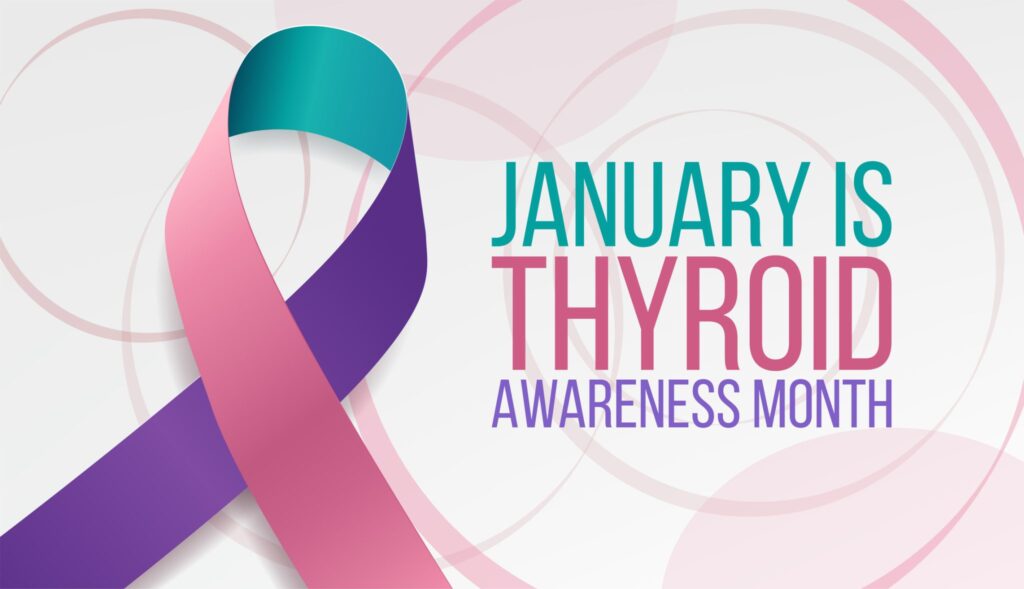
January is Thyroid Awareness Month, a whole month dedicated to raising awareness about the thyroid gland—a small, butterfly-shaped organ in your neck that has a massive impact on your overall health. Despite its critical role in regulating vital hormones essential for every cell and function in the body, thyroid disorders often go unnoticed or misunderstood.
In this blog, we’ll uncover the thyroid’s importance, the challenges faced by individuals with thyroid conditions, and common misconceptions surrounding thyroid health.
What Is the Thyroid, and Why Is It So Important?
The thyroid gland is part of your endocrine system and is located at the base of your neck. This small but mighty organ produces hormones like T3 (triiodothyronine) and T4 (thyroxine), which regulate:
- Metabolism and energy levels
- Heart rate
- Body temperature
- Growth and development
When the thyroid functions properly, it ensures the body operates like a well-oiled machine. However, when it malfunctions, it can lead to serious health issues.
Thyroid Disorders: When the Gland Misbehaves
When the thyroid gland malfunctions, it can lead to significant disruptions in the body’s functions. These disorders fall into two main categories:
Hypothyroidism: When the Thyroid Is Underactive
Hypothyroidism occurs when the thyroid doesn’t produce enough hormones. Common symptoms include:
- Fatigue
- Weight gain
- Depression
- Dry skin and hair
This condition is often caused by Hashimoto’s thyroiditis, an autoimmune disease where the body attacks the thyroid.
Hyperthyroidism: When the Thyroid Is Overactive
Hyperthyroidism, on the other hand, happens when the thyroid produces too many hormones. Symptoms include:
- Weight loss
- Rapid heartbeat
- Anxiety
- Sweating
Graves’ disease is a common cause of hyperthyroidism and is also autoimmune in nature.
The Impact of Autoimmune Thyroid Disorders
Autoimmune thyroid diseases, such as Hashimoto’s and Graves’ disease, are among the most common thyroid disorders. They not only affect the gland but can also lead to a range of systemic issues, including joint pain, muscle weakness, and even infertility.
Myths and Misconceptions About Thyroid Health
Despite being one of the most common endocrine disorders, thyroid conditions are often misunderstood. These misconceptions can delay diagnosis and treatment, potentially worsening the condition. Let’s explore and debunk some of the most prevalent myths about thyroid health.
Myth 1: Thyroid Problems Only Affect Women
It’s true that women are more likely to develop thyroid disorders—studies suggest women are 5–8 times more prone than men. However, men are not immune. Men with thyroid conditions often go undiagnosed because symptoms such as fatigue, weight changes, or mood swings are attributed to stress or aging. Everyone, regardless of gender, should prioritize thyroid health and seek medical advice if symptoms arise.
Myth 2: Thyroid Conditions Are Easy to Diagnose
Many people assume that thyroid problems are straightforward to identify, but the reality is more complex. Symptoms like fatigue, weight fluctuations, or depression overlap with numerous other conditions. For instance:
- Hypothyroidism might mimic depression or fibromyalgia.
- Hyperthyroidism could be mistaken for anxiety or menopause.
Accurate diagnosis often requires a combination of blood tests, physical examinations, and a review of medical history. It’s crucial to consult a healthcare professional if you suspect thyroid issues.
Myth 3: Medication Alone Solves Everything
Medication is a cornerstone of thyroid treatment—levothyroxine for hypothyroidism and antithyroid drugs for hyperthyroidism are commonly prescribed. However, managing thyroid health often requires more than just pills:
- Diet: Eating iodine-rich foods or avoiding goitrogens can support thyroid function.
- Stress Management: Chronic stress can exacerbate thyroid conditions by impacting the hypothalamic-pituitary-thyroid (HPT) axis.
- Lifestyle Adjustments: Regular exercise, adequate sleep, and maintaining a healthy weight play a significant role in thyroid health.
- Regular Monitoring: Thyroid hormone levels can fluctuate, necessitating ongoing medical supervision to adjust treatment as needed.
Myth 4: Thyroid Problems Always Show Clear Symptoms
Some individuals with thyroid conditions experience mild or no symptoms, especially in the early stages. This is why routine thyroid screenings are essential, particularly for those with risk factors like family history, autoimmune diseases, or pregnancy.
Myth 5: Thyroid Disorders Are Rare
Thyroid conditions are far from rare. In fact, millions of people worldwide live with undiagnosed or untreated thyroid disorders. The more awareness we spread, the better equipped people will be to seek early intervention and care.
Breaking the Myths: Why Awareness Matters
Dispelling these myths is critical for improving thyroid health outcomes. Understanding the facts encourages earlier diagnosis, better treatment adherence, and compassionate support for those affected. This Thyroid Awareness Month, let’s commit to learning and sharing the truth about this small but mighty gland.
The Silent Epidemic: Why Awareness Matters
The Invisible Illness
Thyroid disorders are often referred to as “invisible illnesses” because many symptoms, like fatigue or depression, are not outwardly visible. This can lead to a lack of understanding or empathy from others.
Early Detection Saves Lives
Raising awareness encourages early diagnosis, which can prevent severe complications like cardiovascular disease, osteoporosis, or infertility.
How to Support Thyroid Awareness Month
Supporting Thyroid Awareness Month is a vital step in helping individuals recognize the importance of thyroid health, encouraging early diagnosis, and spreading accurate information. Here’s how you can make an impact:
1. Educate Yourself and Others
Understanding thyroid health starts with self-education. Take the time to learn about the thyroid gland, its functions, and the symptoms of common disorders like hypothyroidism, hyperthyroidism, and autoimmune thyroid conditions. Reliable sources include:
- Medical websites (e.g., Mayo Clinic, Endocrine Society)
- Books written by endocrinologists or thyroid specialists
- Online forums or support groups
Once you’re informed, share your knowledge. Engage in conversations with family, friends, and coworkers to raise awareness. You can also organize small community sessions or participate in local health awareness events to amplify your reach.
2. Get Screened
Thyroid disorders often go undetected because their symptoms overlap with other conditions. If you or someone you know experiences:
- Persistent fatigue
- Unexplained weight gain or loss
- Depression, anxiety, or mood swings
- Changes in heart rate
- Hair thinning or dry skin
It’s time to consider getting a thyroid function test. A simple blood test measuring levels of TSH (thyroid-stimulating hormone), T3, and T4 can help identify potential thyroid issues.
Encourage routine thyroid screenings for individuals at higher risk, such as:
- Women over 35
- Pregnant women or those planning to conceive
- Individuals with a family history of thyroid or autoimmune conditions
Early detection is key to managing thyroid disorders effectively.
3. Join the Conversation
Social media is a powerful tool for spreading awareness. Use your platform to share information, personal experiences, and encouraging messages about thyroid health.
- Post educational content, such as facts about the thyroid, myths debunked, or common symptoms.
- Share resources like articles, infographics, or videos from reputable health organizations.
- Amplify the message by engaging with existing campaigns and tagging thyroid-focused advocacy groups.
Incorporate hashtags to ensure your posts reach a wider audience:
- #ThyroidAwareness
- #ThyroidHealth
- #ThyroidWarrior
- #Hypothyroidism
- #Hyperthyroidism
Joining online discussions not only raises awareness but also creates a sense of community for individuals living with thyroid disorders.
4. Support Advocacy Groups
Many organizations work tirelessly to promote thyroid health awareness. Consider supporting these groups by:
- Donating to fund research and educational programs.
- Volunteering at awareness events.
- Participating in thyroid walks or runs to raise funds and visibility.
Some notable organizations include the American Thyroid Association (ATA), Thyroid Federation International, and local thyroid support groups in your community.
5. Wear Your Support
A simple way to show solidarity is by wearing thyroid awareness colors, such as blue and pink, throughout January. You can also wear pins, bracelets, or t-shirts with thyroid advocacy messages to spark conversations and demonstrate your support.
6. Advocate for Policy Changes
Use Thyroid Awareness Month as an opportunity to advocate for better healthcare policies. This includes:
- Promoting access to affordable thyroid testing and medications.
- Pushing for more research into thyroid conditions and their treatment.
- Encouraging workplace accommodations for individuals living with thyroid disorders.
Write to local representatives or join campaigns advocating for better thyroid health resources.
Together, We Can Make a Difference
By educating yourself, encouraging screenings, and spreading awareness, you’re contributing to a global effort to prioritize thyroid health. Small actions—like sharing a post, starting a conversation, or wearing an awareness ribbon—can create a ripple effect that changes lives.
This January, let’s commit to supporting Thyroid Awareness Month and ensuring no one suffers in silence.
Thyroid Awareness Month is a vital reminder of the importance of this often-overlooked gland. By spreading awareness and breaking misconceptions, we can help others recognize the signs of thyroid issues and seek proper treatment.
Let’s make January the month we shine a light on thyroid health and empower others to take control of their well-being.
FAQs About Thyroid Awareness
Q: Can thyroid disorders be cured?
A: While most thyroid conditions are manageable with treatment, they often require lifelong care rather than a complete cure.
Q: What are the common triggers for thyroid issues?
A: Autoimmune conditions, iodine deficiency, and certain medications can contribute to thyroid disorders.
Q: How often should I check my thyroid health?
A: If you’re at risk or have symptoms, a thyroid test every year is advisable.